

Our partners














Personalized just for You
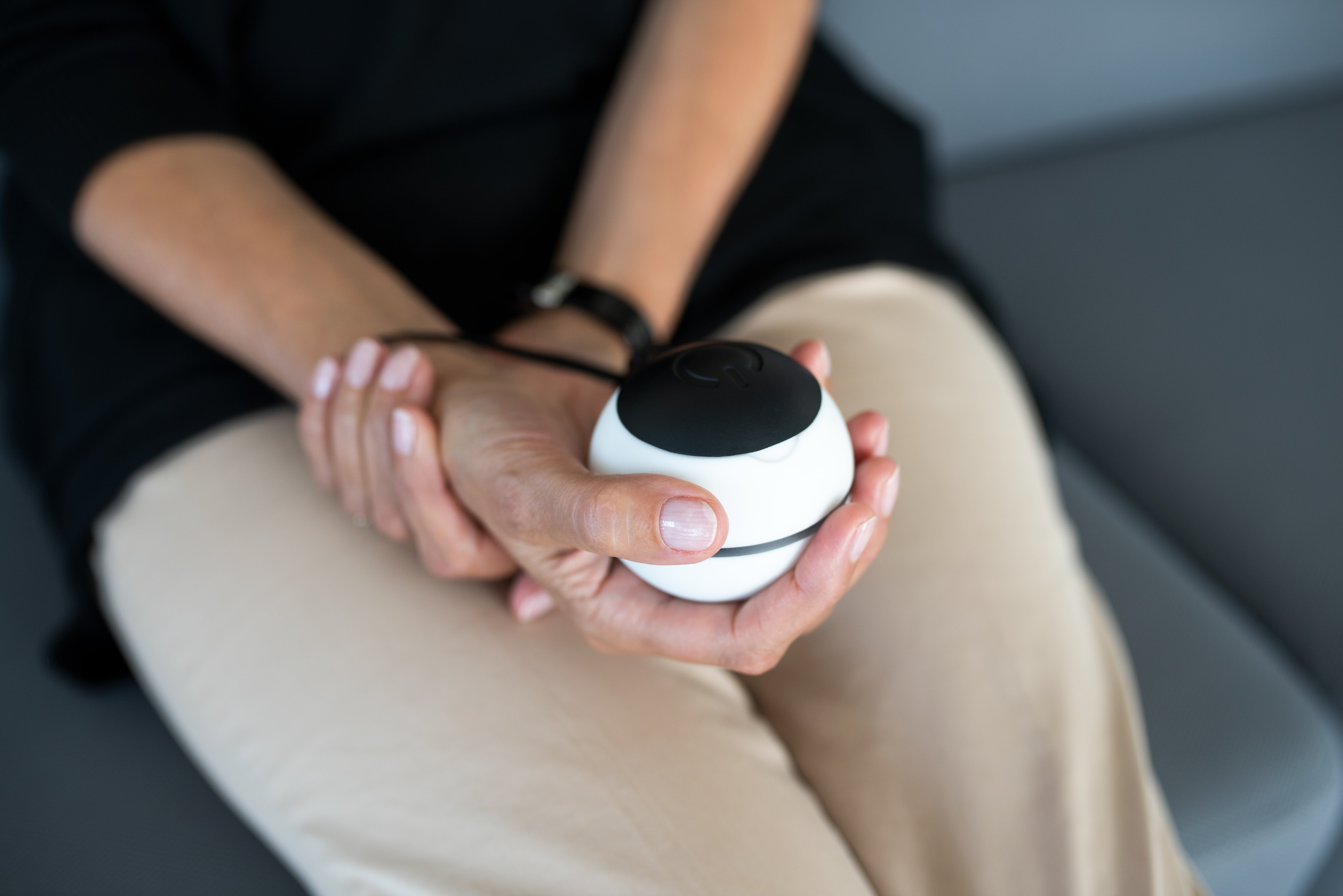
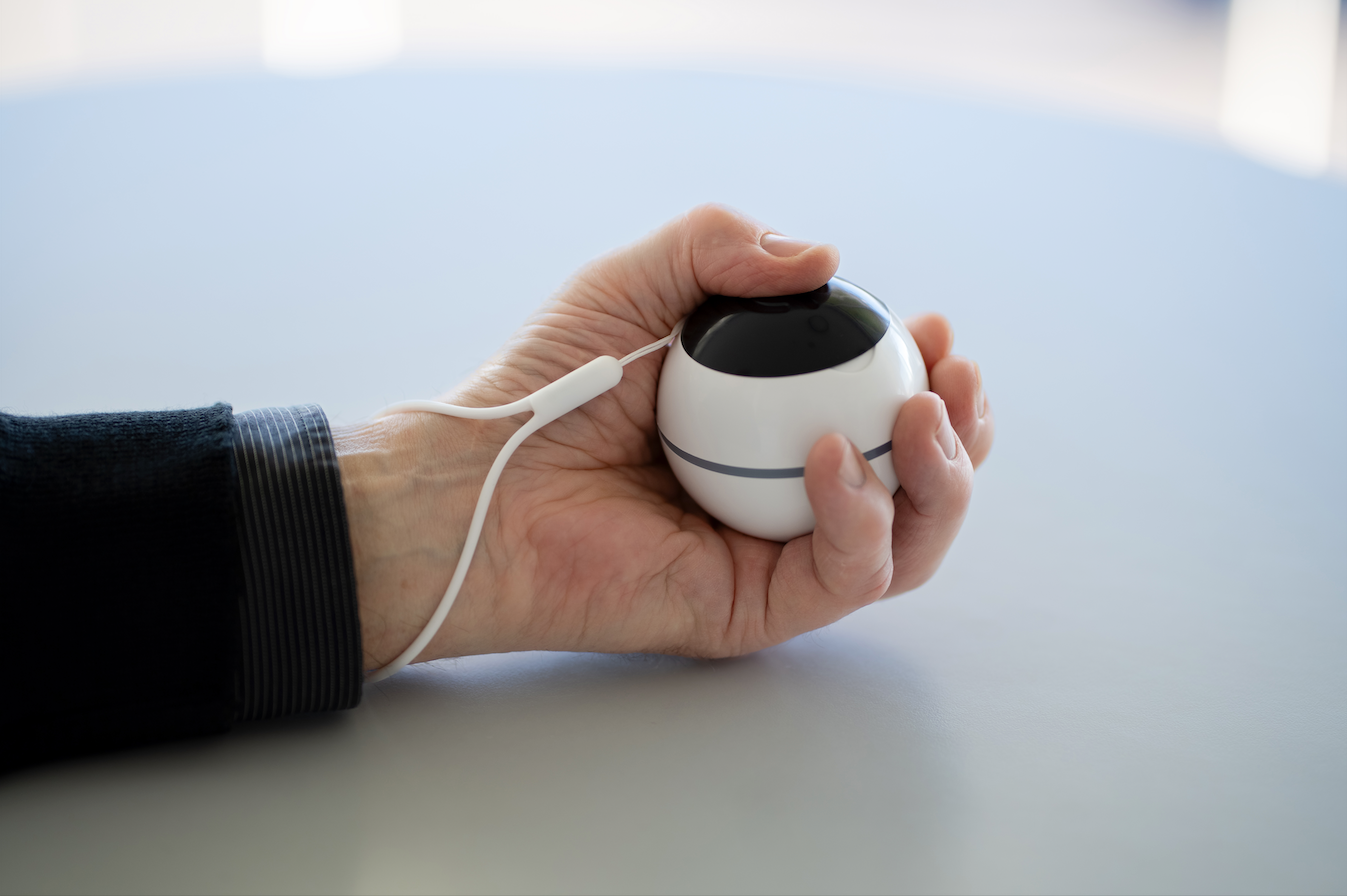
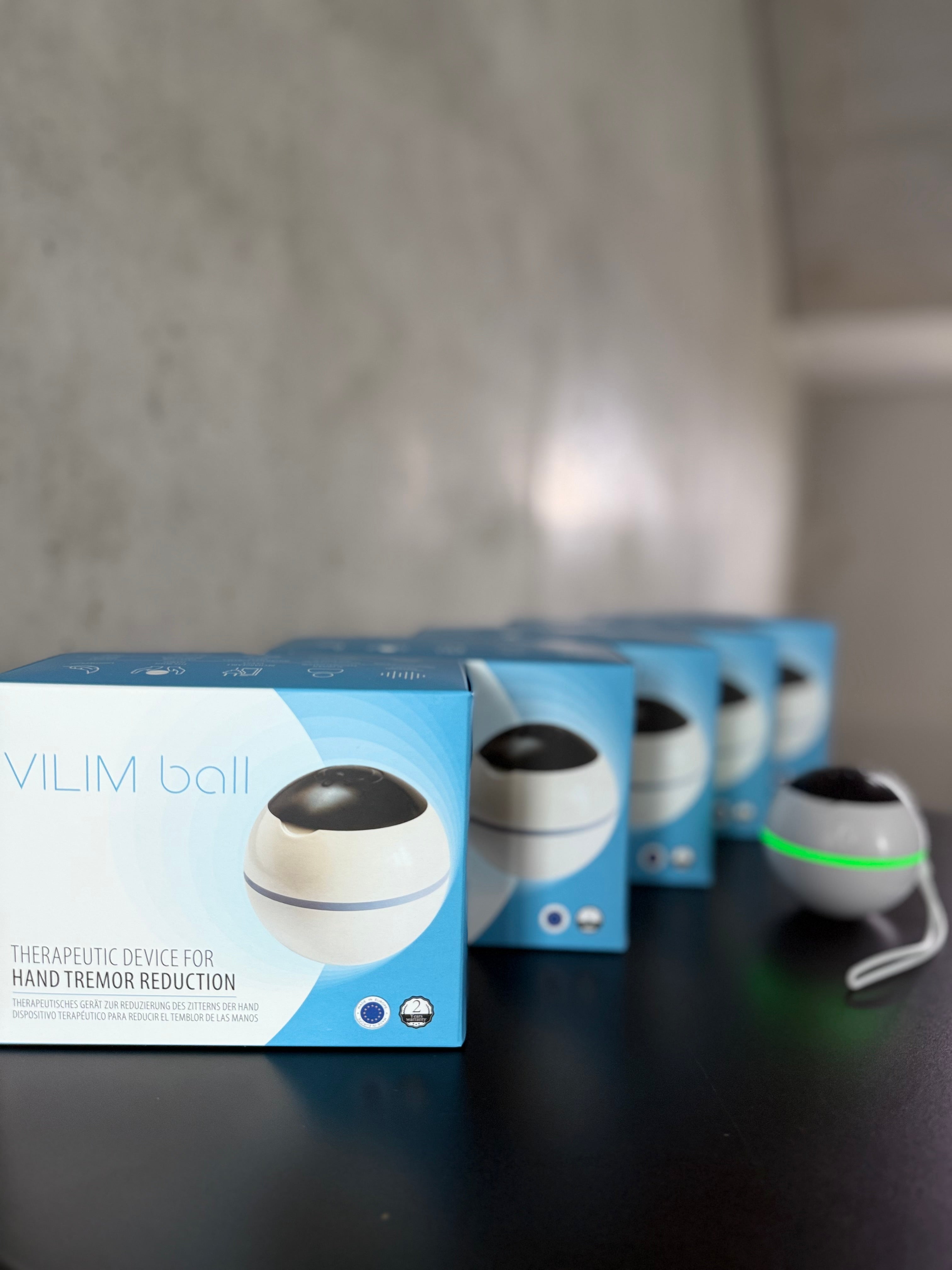
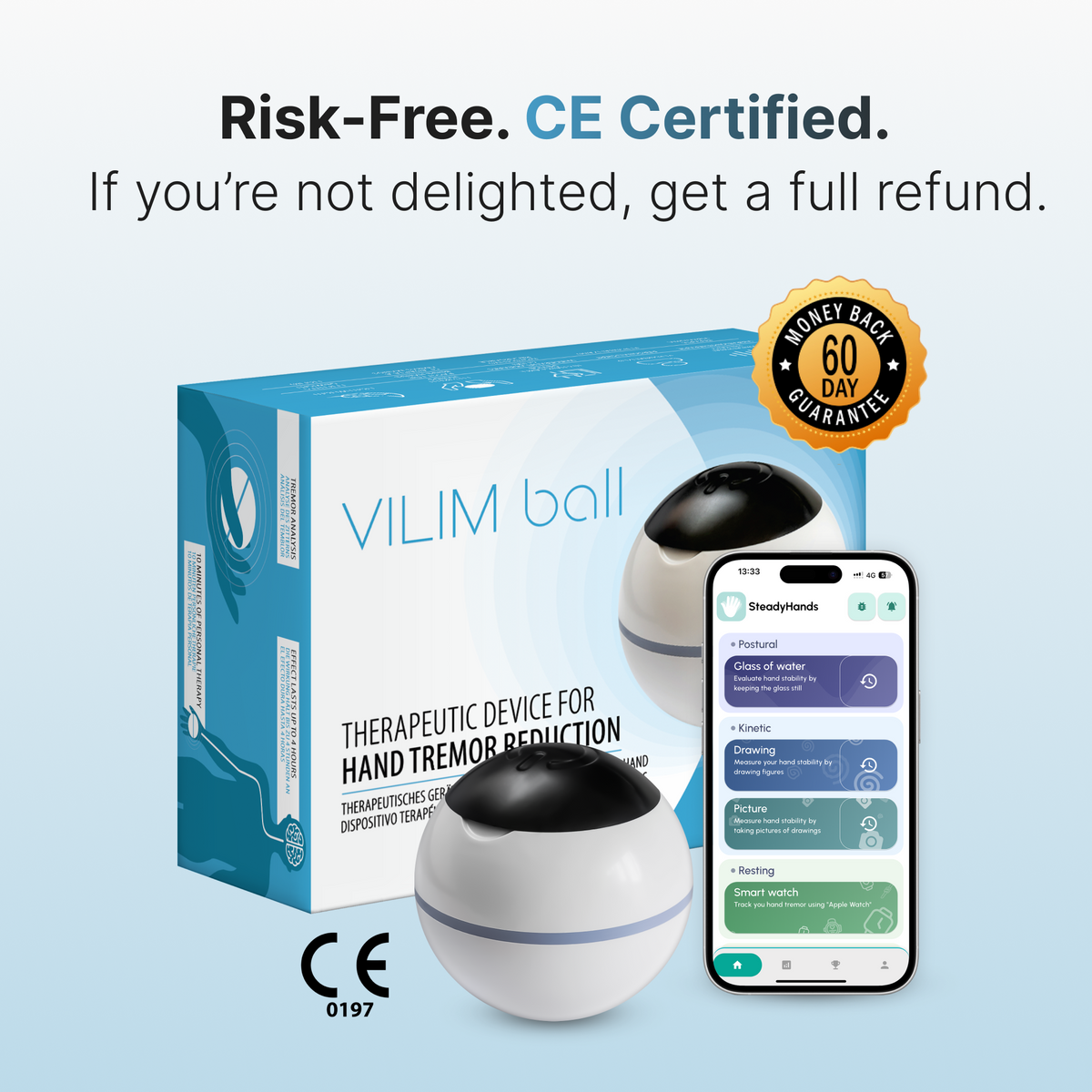
VILIM ball is a next-generation, non-invasive handheld medical device — the first and only CE-marked solution specifically developed to reduce hand tremors with advanced AI technology. Its smart algorithms analyze each user’s tremor and personalize therapy in real time.
Built for people with Essential Tremor and Parkinson’s-related hand tremors, VILIM ball offers a modern, personalized approach to tremor management.
How does it work?
VILIM ball is more than just a vibrating ball — it’s based on neuroscience, created with the help of medical experts, and supported by scientific research. It provides on-demand relief for people with Essential Tremor and Parkinson’s-related tremors, helping them do everyday things like eating, writing, using a computer, and more with greater ease.
The device uses AI-controlled safe vibrational therapy to interrupt the neurological loop, with sensors that monitor tremor levels and personalize the therapy for optimal effectiveness.


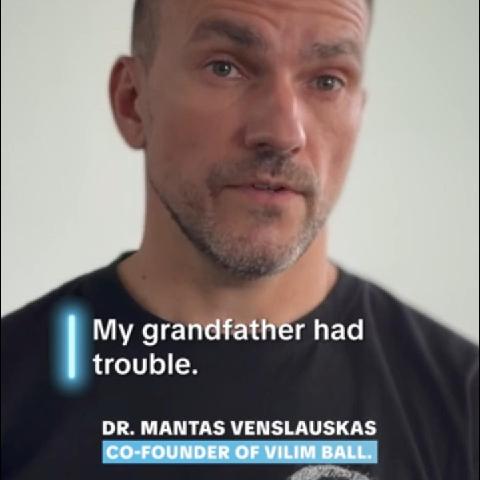
Real Users. Real change.
Science-backed therapeutic device
Its mechanism is grounded in neuroscience: by delivering rhythmic pulses to the hand, it helps calm the erratic nerve signals that drive tremors. This effect, known as sensory gating, has been observed in lab settings and supported by clinical studies and real-world user data. Whether through controlled trials or everyday use, the evidence consistently shows that the VILIM ball can offer meaningful, drug-free tremor relief—safely and reliably. Below, you’ll find the key studies and findings that prove how and why it works.
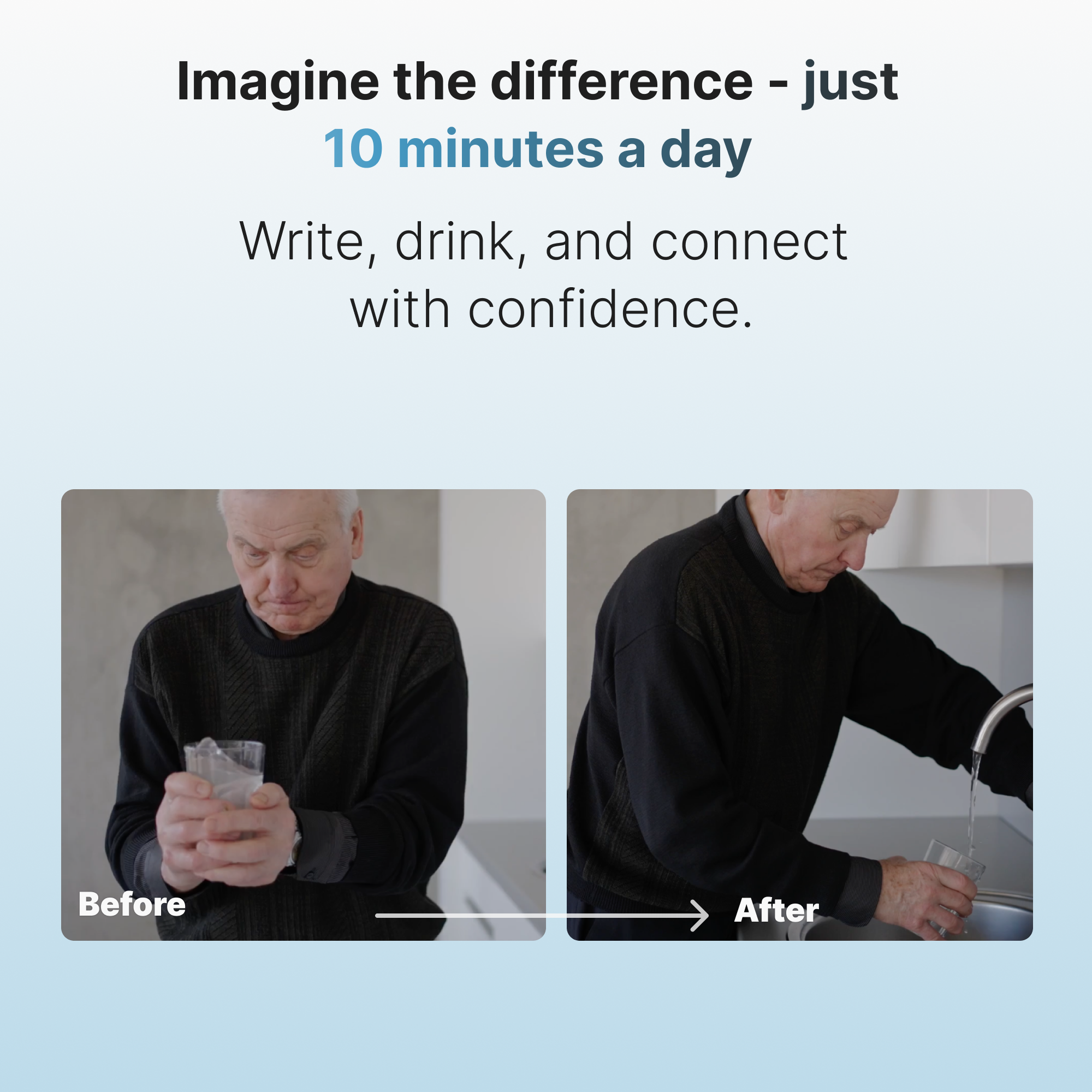
Feel the Difference
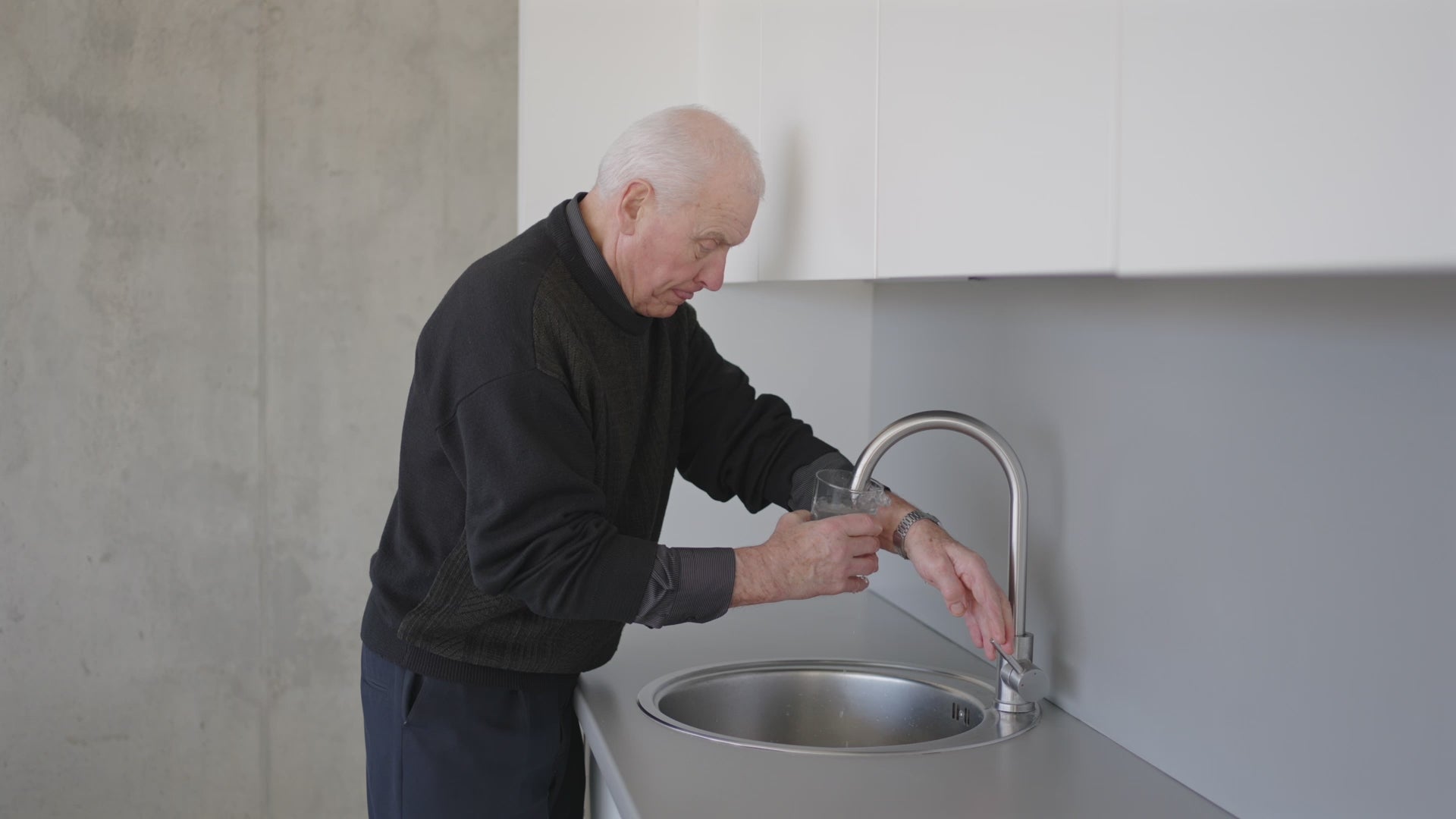
Before
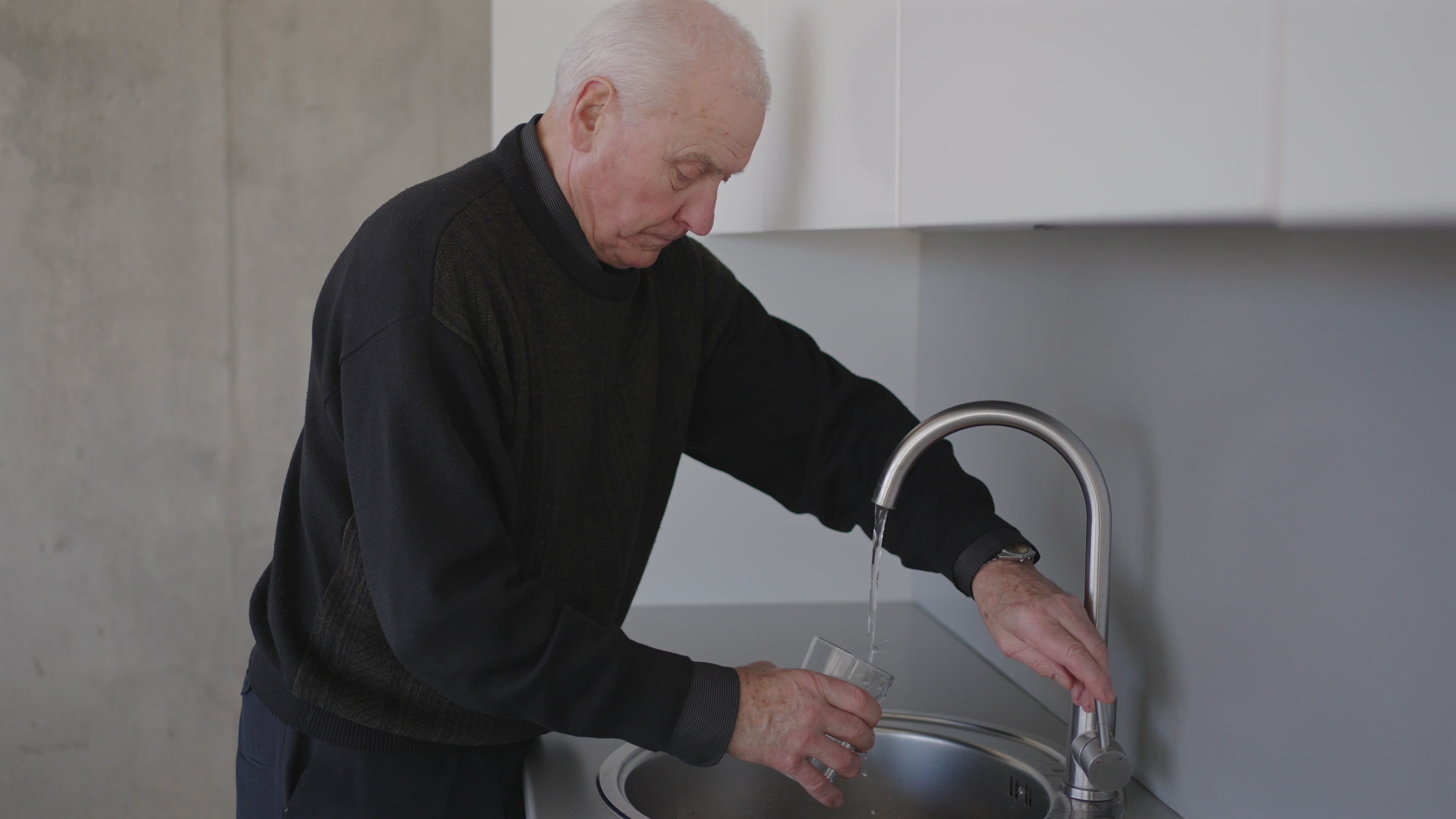
After


Product highlights

CE0197

Safe vibrations

Reduces tremors

Charger

After 10 minutes

Up to 4 hours

70mm (diameter)

120g

Up to 6 months on stand by after one charge

Tailored to you

Easy to use

And drug free

Fits both hands

No batteries needed
Pelota VILIM
Reduce hand tremor with a handheld medical device that delivers neuromodulation therapy, offering temporary relief for patients with Essential Tremor and Parkinson’s disease.
Accessories are included with the product, but if you’d like extras:
It is important to read “Contraindications and precautions” before purchasing the device. This information can be found in the Instructions for Use below: INSTRUCTIONS FOR USE It is not recommended to use the device without a doctor’s permission in the presence of at least one of the listed symptoms.
Steady Hands app Premium 90-days free trial!
This app can:
- Track objective response to treatment between appointments
- Back up your diagnosis with AI - powered analysis
- Practice hand coordination and calming techniques in one place
Product highlights
CE0197
Safe vibrations
Reduces tremors
Charger
After 10 minutes
Up to 4 hours
70mm (diameter)
120g
Up to 6 months on stand by after one charge
Tailored to you
Easy to use
And drug free
Fits both hands
No batteries needed

No Meds. No Surgery. Just Science.

Know your tremor and take control with STEADY HANDS app
This tremor meter can:
- Track objective response to treatment between appointments
- Back up your diagnosis with AI - powered analysis
- Practice hand coordination and calming techniques in one place

FAQs
What is the VILIM ball?
VILIM ball is a handheld therapeutic device whose purpose is to temporarily reduce hand tremor. Therapy gives Essential tremor (and possibly Parkinson’s disease) patients a relief from the symptoms for the time they need to perform ordinary-life tasks. 90% of those who tested VILIM ball, reported it as effective.
How does it work?
The device operates on the principle of stimulating hand nerves via mechanical vibration therapy. The artificial intelligence algorithm analyzes hand tremors and adapts the therapy to each patient individually.
How to use the VILIM ball device?
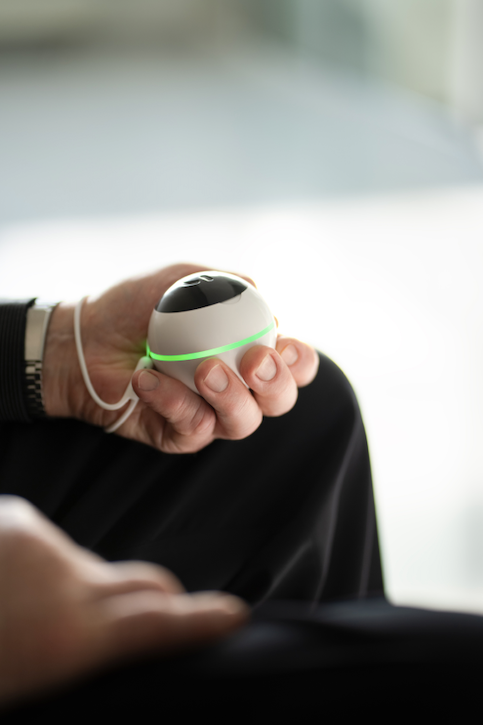
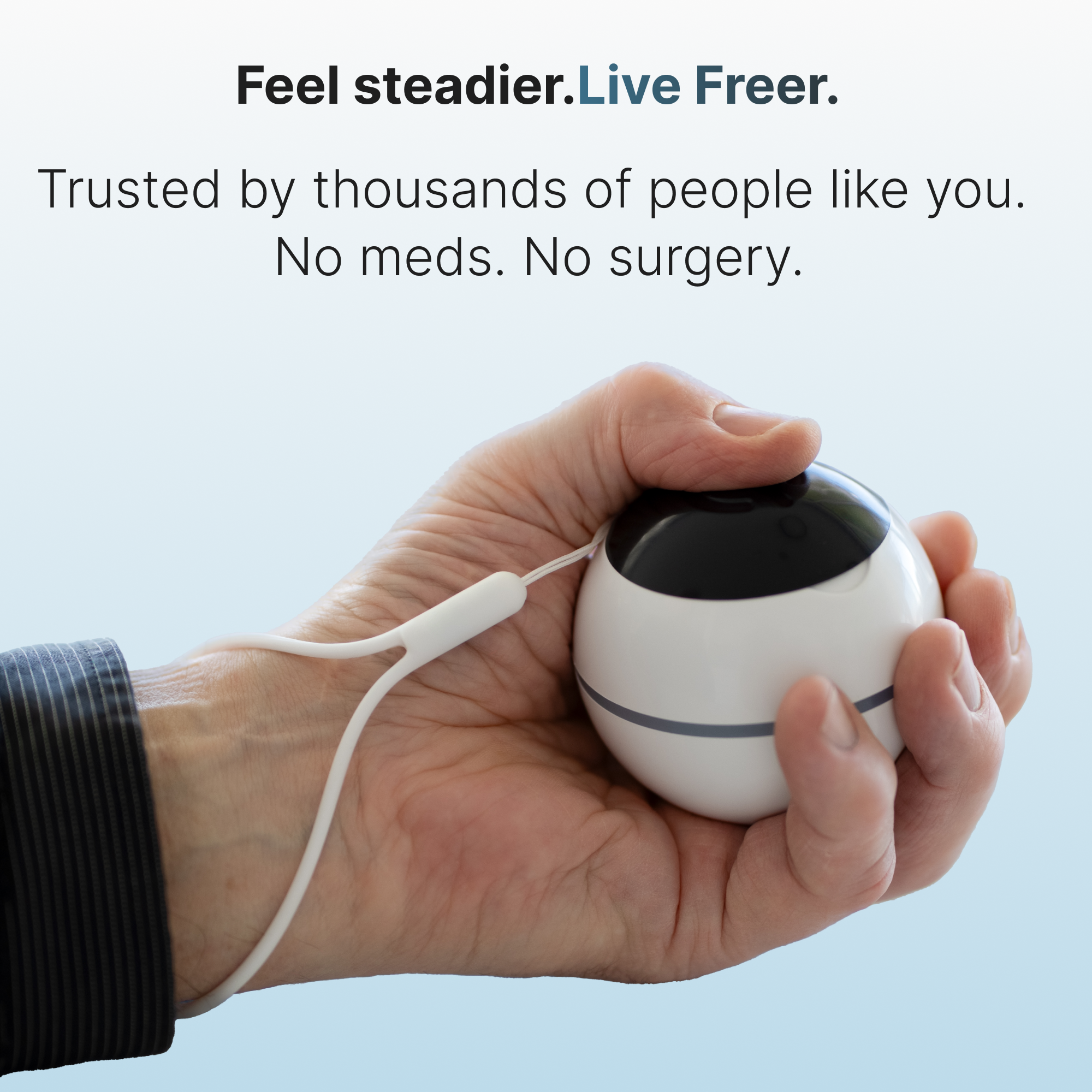
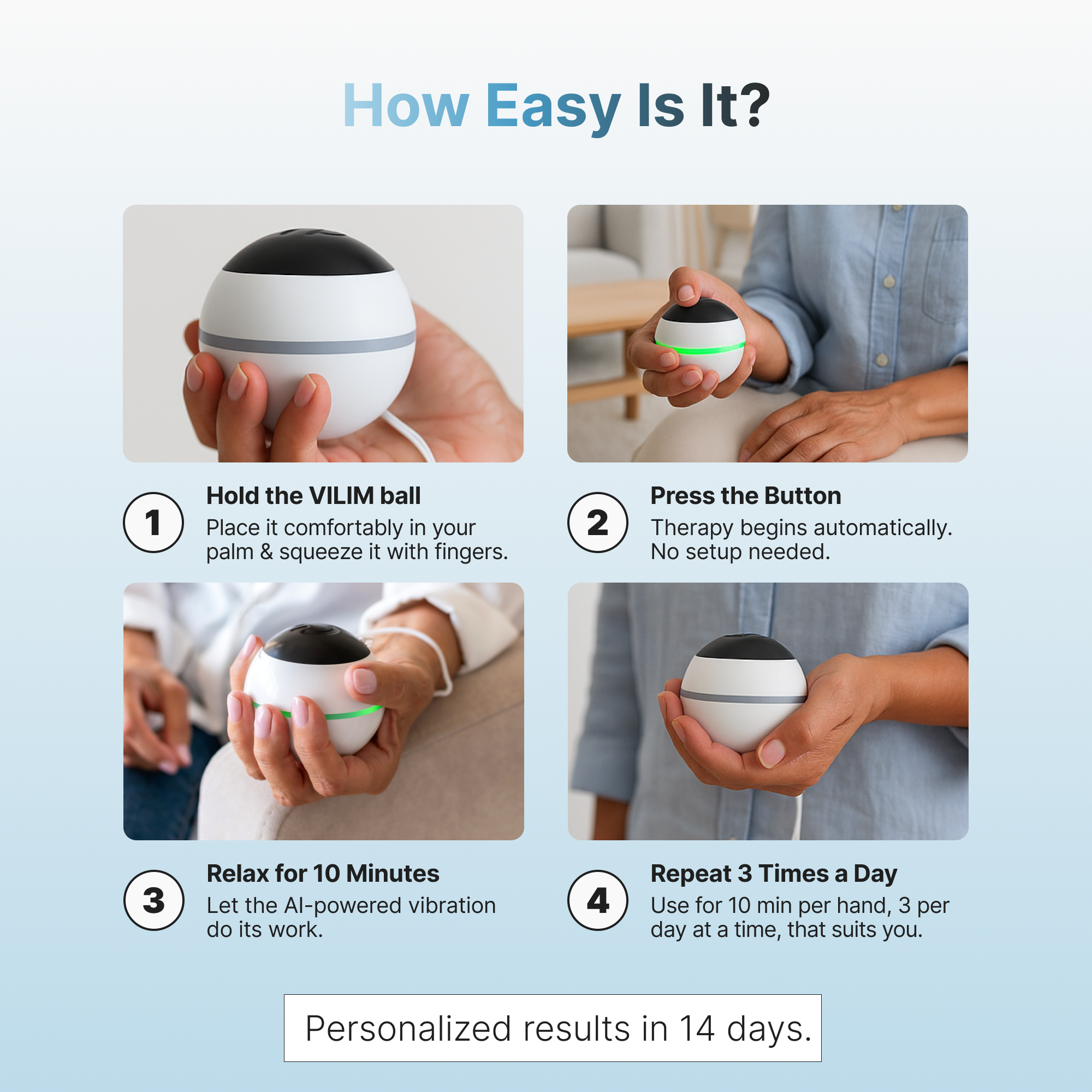
Sit comfortably and rest your hand on a stable surface. Take the device in your palm and give it a gentle squeeze. Press the black button cap. A green light indicates that therapy is in progress.Therapy lasts 10 minutes, and the device stops automatically. Use the device every day before daily tasks—up to 30 minutes per day per hand.
Use the device on both hands three times a day, at a time that suits you.You must use it for at least 14 days before it becomes personalized—tuned just for you!
Can I use theVILIM ball for both hands?
Yes, if the tremor is similar in both hands, you can use one device.
Can different people use the same VILIM ball device?
The VILIM ball device performs artificial intelligence based personalization. It adapts to each person’s hand tremor properties individually. As a result, one VILIM ball should not be used by more than one person.
Latest Stories
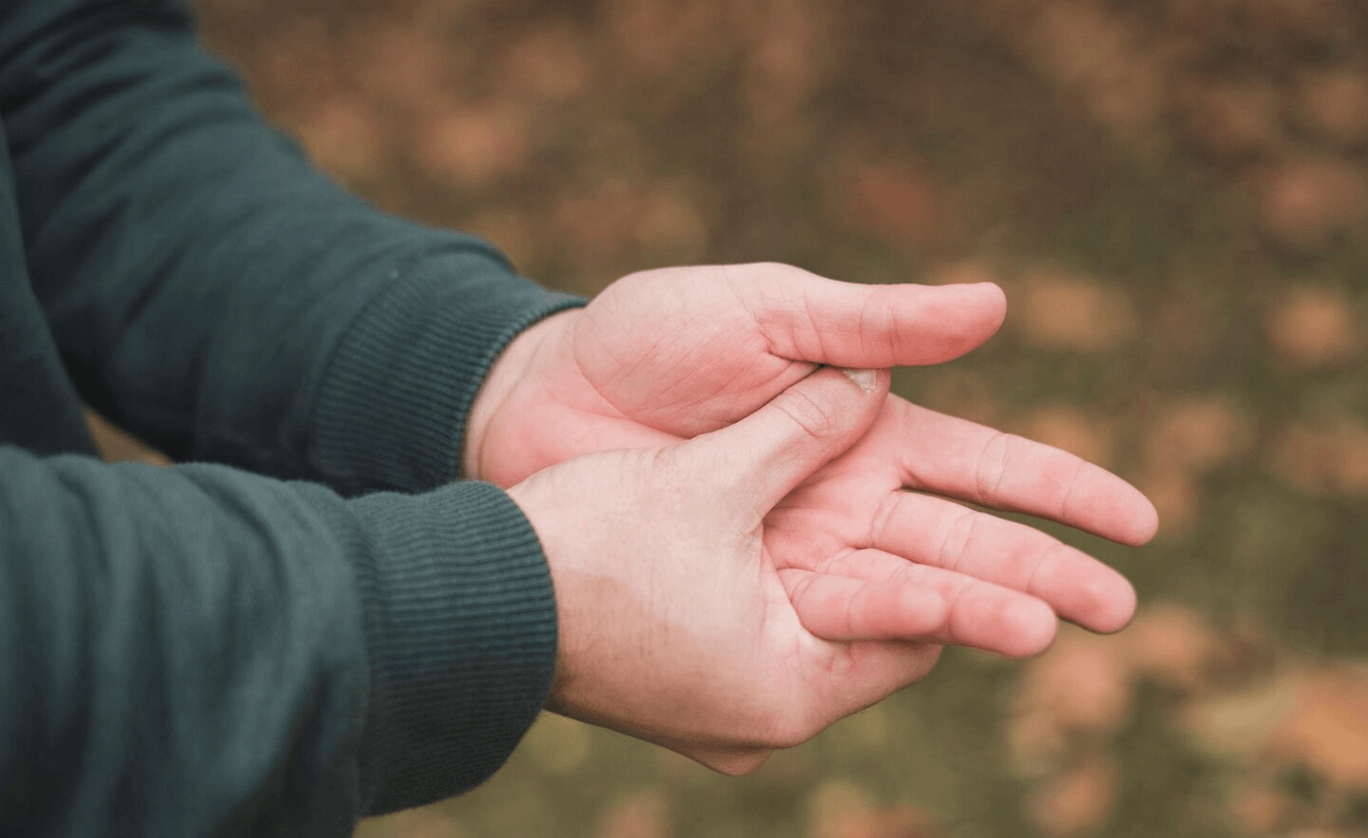
¿Por qué me tiemblan las manos? Causas, tipos y tratamiento del temblor de manos
Notar temblores en las manos puede ser inquietante, pero la mayoría de los temblores son manejables. Esta guía explica la diferencia entre temblores en reposo y temblores en acción, los desencadenantes cotidianos y las causas médicas, las señales de alerta y el diagnóstico, y maneras prácticas de estabilizar las manos: desde cambios en el estilo de vida y medicamentos hasta procedimientos especializados y dispositivos no invasivos como la pelota VILIM.
Leer mássobre ¿Por qué me tiemblan las manos? Causas, tipos y tratamiento del temblor de manos
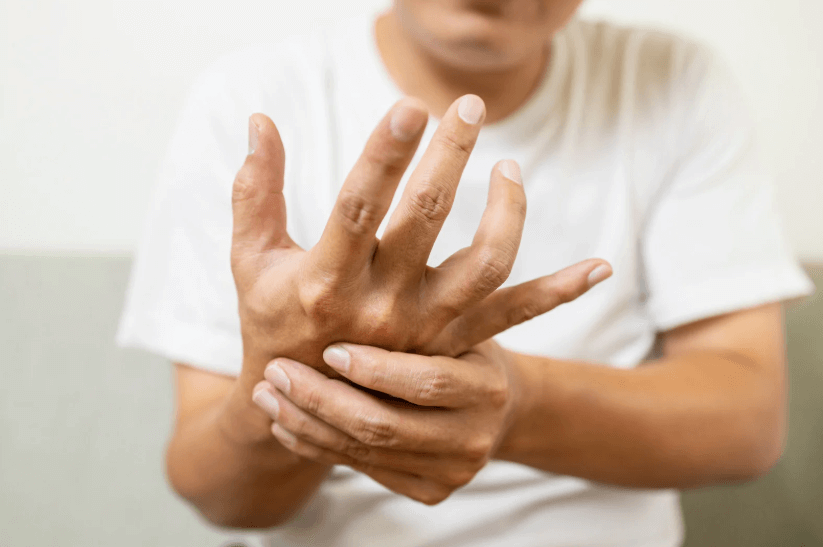
Temblores en los dedos: causas, síntomas y cuándo preocuparse
¿No está seguro de si su dedo es solo un tic o un temblor real? Esta guía explica las diferencias clave, los desencadenantes comunes (estrés, cafeína, uso excesivo), las causas médicas que debe descartar, cuándo consultar a un médico y maneras prácticas de estabilizar las manos, además de cómo la terapia, los medicamentos y los dispositivos de asistencia pueden ayudar.
Leer mássobre Temblores en los dedos: causas, síntomas y cuándo preocuparse
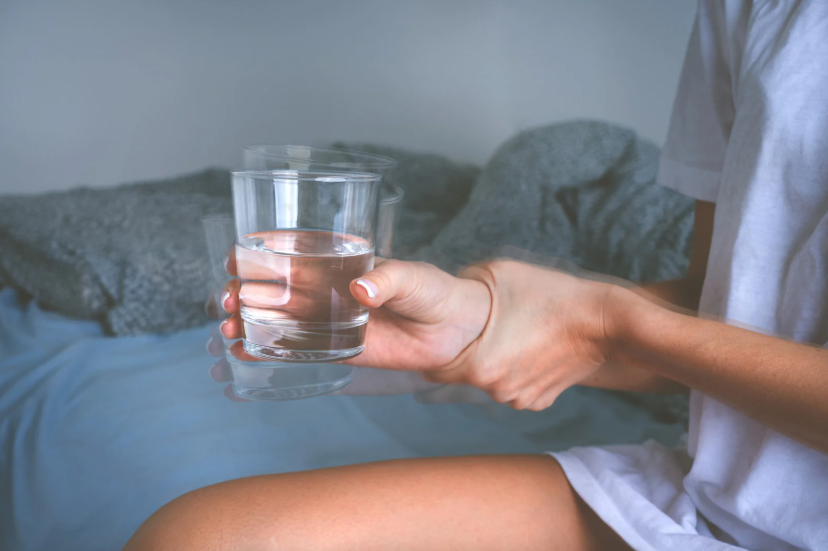
Temblor no esencial vs. esencial: ¿cuál es la diferencia?
¿Qué es el temblor no esencial? Explicamos los tipos (de reposo, postural, cinético/intencional), sus causas principales, el diagnóstico y cuándo consultar al médico, además de consejos prácticos para la vida diaria.
Leer mássobre Temblor no esencial vs. esencial: ¿cuál es la diferencia?